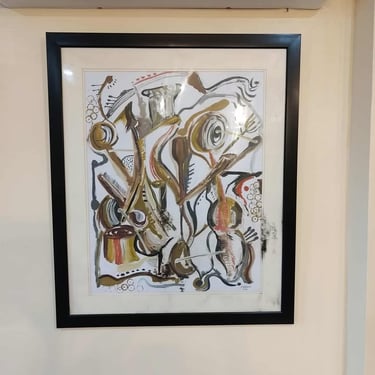
Ricky Yabut's Art work
Unique art and antiques
10/29/20252 min read
My post content
Artistic Focus & Style
Primal & Tribal Inspirations: Ricky’s works are deeply rooted in what he describes as “primitive” or “ethnic” apparel—pieces that reflect ancient cultures, highland tribes, and the natural materials of the earth. He draws from African, Asian and Pacific tribal aesthetics as well as materials associated with nature’s raw forms. Ricky Yabut+1
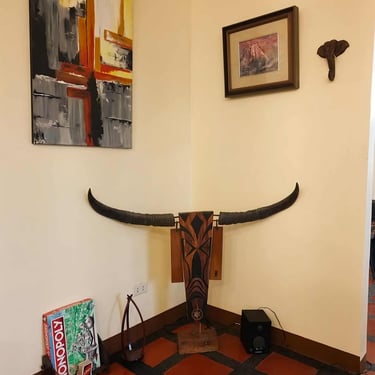
Materials & Techniques: He prefers materials like old woods (molave, narra, ipil, kamagong), polished horn (carabao horns, buffalo horn), quartz, stones and other found objects. These are given new life through sculpture and design. Ricky Yabut+1
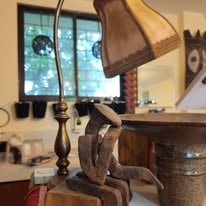
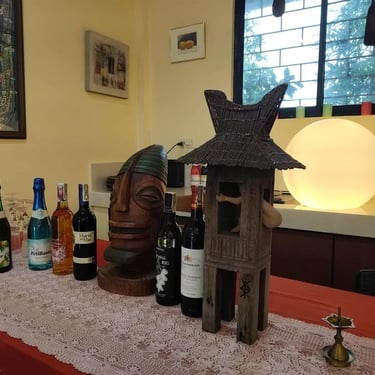
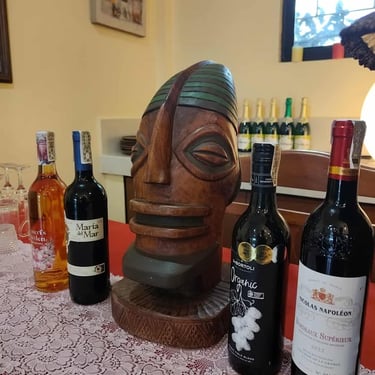
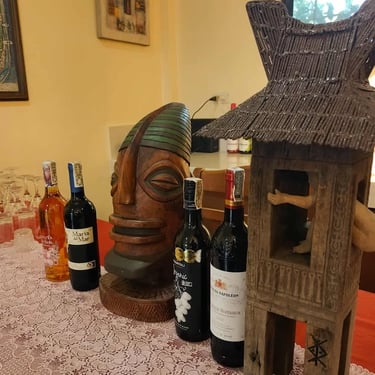
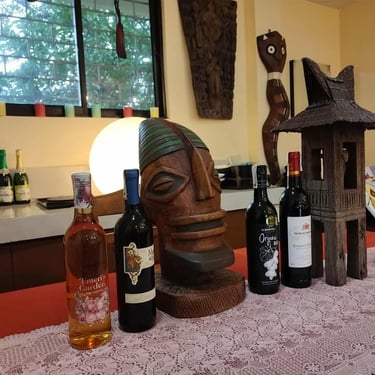
Concept & Form: Many of his works take the form of sculptural pieces—tribal masks, horn and skull pieces, pedestal forms, and installations that juxtapose natural elements with crafted detail. One example is a gold-pan turned pedestal piece titled “Kalinga”, paying tribute to highland people. Ricky Yabut
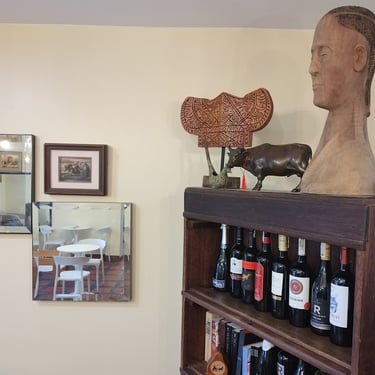
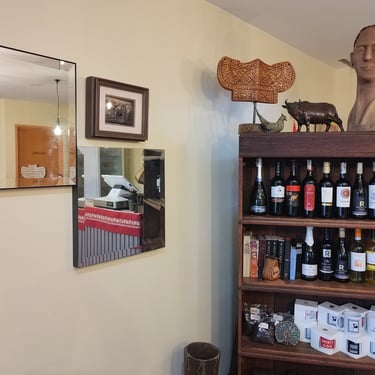
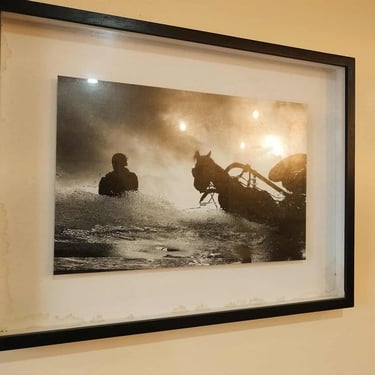
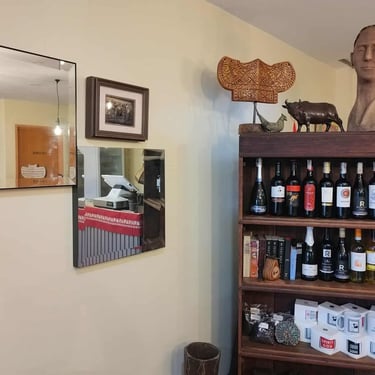
Environment & Setting: His home/atelier in Calatagan, Batangas — named Cortijo del Charro (“House of the Horseman”) — serves both as living space and exhibition space for his collection and creations. The setting itself is a blend of architecture, natural material, and art. Ricky Yabut+1
Signature Works & Themes
“Toro” series: A series of sculptures made with carabao skulls and polished horns, dedicated to his late brother. These works merge a sense of homage with rustic primal art. Ricky Yabut
“Birds of the Calatagan Peninsula”: Works that utilize horn material on Philippine hardwoods, adorned with metal, stone or glass embellishments. The form celebrates local fauna and environment. Ricky Yabut
“Turf ‘n’ Surf”: One of his personal favorite pieces combining an outdated farm implement and a deep-sea buoy—reflecting his environment in Calatagan, a coastal rural context. Ricky Yabut
Why His Work Matters
Distinctive Voice: Without formal art training, Ricky found his art voice through travel, culture, and nature—bringing a fresh, authentic perspective to the Philippine art scene. Ricky Yabut
Material Narrative: His choice of raw, often reclaimed or unconventional materials (horns, aged wood, quartz) speaks of transformation—of nature to art, of culture to contemporary form.
Cultural Synthesis: He doesn’t merely imitate tribal motifs; he synthesizes them from firsthand experience—with the respect due and the reinterpretation needed to make them relevant today.
Place & Context: The Calatagan home/atelier sets the scene—not just a white gallery space but a lived environment where art, architecture, nature and collection converge.
About Ricky Yabut
Ricky Yabut is a compelling example of an artist who emerged not through formal art school but through lived experience, travel, curiosity, and self-driven creation. Born into a prominent family (his father was the late Makati Mayor Nemesio Yabut) he chose an unconventional creative path, transforming his passions for polo, travel, nature and tribal art into a unique artistic voice. Ricky Yabut+1